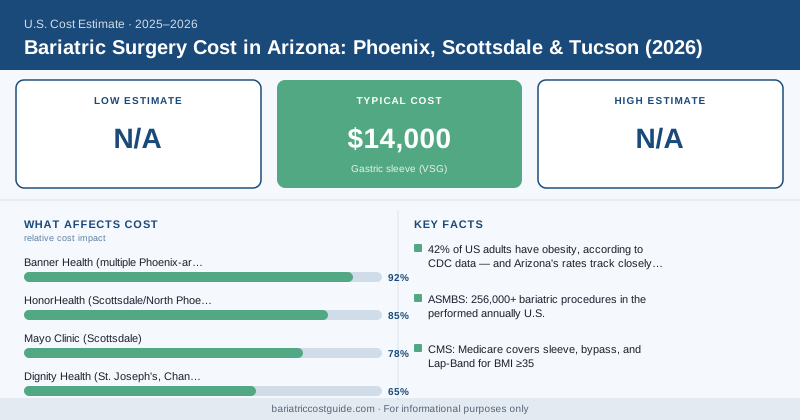
Bariatric Surgery Cost in Arizona: Phoenix, Scottsdale & Tucson (2026)
{ if eq .Lang "zh" }{ else }{ end }42% of US adults have obesity, according to CDC data — and Arizona’s rates track closely to that national figure. The Phoenix-Scottsdale metro has seen a significant expansion in bariatric surgical capacity over the past decade to meet that demand. That increased competition is actually good news for patients: self-pay prices in Arizona are notably more competitive than comparable coastal markets, and the state has multiple high-volume accredited programs to choose from.
Arizona’s two major metro areas — Phoenix/Scottsdale and Tucson — have meaningfully different pricing landscapes. Phoenix has more large-system competition, which drives prices down. Tucson, with fewer large hospital systems, tends to run 5–10% higher.
Arizona Bariatric Surgery Prices (2026)
| Procedure | Phoenix/Scottsdale | Tucson | National Average |
|---|---|---|---|
| Gastric sleeve (VSG) | $14,500 – $23,000 | $16,000 – $24,000 | $14,000 – $23,000 |
| Gastric bypass (Roux-en-Y) | $18,000 – $28,000 | $19,000 – $29,000 | $18,000 – $28,000 |
| Duodenal switch | $24,000 – $35,000 | $26,000 – $36,000 | $22,000 – $35,000 |
| Mini gastric bypass | $16,500 – $25,000 | $17,500 – $26,000 | $17,000 – $25,000 |
| Revision surgery | $22,000 – $38,000 | $24,000 – $40,000 | $20,000 – $35,000 |
Arizona’s self-pay prices for gastric sleeve sit at or slightly below the national average — a product of high surgical volume and strong market competition in the Phoenix metro. For cash-pay patients, Arizona is one of the better-priced major markets in the Southwest.
Arizona's Climate and Surgery Recovery
Major Bariatric Programs in Arizona
Banner Health (multiple Phoenix-area locations) Banner is the largest health system in Arizona and operates MBSAQIP-accredited bariatric programs at Banner University Medical Center Phoenix and Banner Desert Medical Center (Mesa). Banner’s size gives it strong negotiating power with commercial insurers — making it in-network for most major Arizona plans. Self-pay rates at Banner run approximately $16,000–$23,000 for gastric sleeve, all-inclusive. Banner Health’s weight loss surgery program has one of the higher surgical volumes in the state, which research consistently links to better outcomes and lower complication rates.
HonorHealth (Scottsdale/North Phoenix) HonorHealth operates bariatric programs at its Scottsdale Osborn and John C. Lincoln campuses. Its Weight Loss Surgery Center is MBSAQIP-accredited. HonorHealth tends to be slightly more expensive than Banner — $18,000–$26,000 for sleeve — but is strongly positioned in the north Phoenix/Scottsdale insurance market. For patients with Cigna, UnitedHealthcare, or Aetna plans (common with large Phoenix-area employers and tech companies), HonorHealth is frequently in-network.
Mayo Clinic (Scottsdale) Mayo Clinic’s Scottsdale campus offers bariatric surgery through its Weight Management and Metabolic Program. Mayo is the premium option — expect $25,000–$35,000 for sleeve gastrectomy self-pay. The higher cost reflects Mayo’s multidisciplinary evaluation model (cardiology, endocrinology, psychology, and nutrition consults are standard). For complex patients — those with significant comorbidities, prior abdominal surgeries, or revision needs — Mayo’s multidisciplinary approach offers value that lower-cost centers can’t match.
Dignity Health (St. Joseph’s, Chandler, Gilbert) Dignity Health operates bariatric programs at St. Joseph’s Hospital and Medical Center in Phoenix and multiple East Valley locations. Prices are competitive — $15,500–$22,000 for sleeve. St. Joseph’s has MBSAQIP accreditation and is particularly active with Arizona Medicaid (AHCCCS) patients.
University of Arizona Health Network (Tucson) Banner - University Medical Center Tucson (operated in partnership with the University of Arizona) is the major academic bariatric program in southern Arizona. It handles complex cases and has a research component. Prices run $18,000–$26,000 for sleeve self-pay.
AHCCCS (Arizona Medicaid) Coverage
Arizona’s Medicaid program, the Arizona Health Care Cost Containment System (AHCCCS), covers bariatric surgery for qualified members. Standard criteria apply:
- BMI ≥ 40 (Class III obesity), or
- BMI ≥ 35 with at least one serious comorbidity (type 2 diabetes, severe sleep apnea, hypertension, hyperlipidemia, GERD, osteoarthritis)
- Documentation of prior medically supervised weight loss attempts
- Psychological evaluation clearance
- Nutritional counseling
AHCCCS coverage is processed through its contracted health plans (UnitedHealthcare Community Plan, Mercy Care, Arizona Complete Health). Your specific plan may have additional prior authorization requirements. The full insurance coverage guide has a step-by-step guide to navigating prior authorization.
Not all Arizona hospitals accept AHCCCS for bariatric surgery. Dignity Health/St. Joseph’s and Banner University Medical Center are the most consistently listed. Call the bariatric coordinator at your preferred program and ask specifically whether they accept AHCCCS before scheduling anything.
Commercial Insurance in Arizona
The dominant commercial insurers in Arizona are UnitedHealthcare, Blue Cross Blue Shield of Arizona, Cigna, and Aetna. All four cover bariatric surgery — but with important variations:
BCBS of Arizona: Covers sleeve, bypass, and duodenal switch with standard criteria (BMI ≥ 40 or BMI ≥ 35 with comorbidities). Some BCBS AZ plans require 3–6 months of medically supervised diet documentation. Center of Excellence requirement applies under some employer plans.
UnitedHealthcare: Covers bariatric surgery but frequently requires procedures be performed at a UHC-designated Center of Excellence program. In Arizona, Banner University and HonorHealth are typically designated.
Aetna: Similar criteria to UHC. Aetna’s Arizona network includes most major hospital systems.
Self-Pay Tips for Arizona
Arizona is genuinely competitive for self-pay bariatric surgery. A few strategies that work in this market:
Get quotes from at least three programs. The Phoenix metro has enough competing accredited programs that price shopping pays off. A $5,000–$8,000 difference between Banner and an independent accredited surgical center is not uncommon.
Ask about Arizona-specific package programs. Some Arizona programs (particularly independent accredited centers) offer fixed all-inclusive packages — surgeon, facility, anesthesia, and 12 months of follow-up for a single price. These can be significantly cheaper than hospital-based programs that bill components separately.
Medical tourism to Mexico is common from Arizona. Tijuana, Los Algodones, and Puerto Vallarta are popular bariatric tourism destinations for Arizona residents, with prices of $4,500–$7,000 for sleeve gastrectomy. See the bariatric surgery abroad cost guide for the full risk-benefit analysis before considering this route.
For patients without any coverage, bariatric surgery financing through CareCredit or medical lending can make Arizona’s already-competitive prices accessible on a monthly payment basis.
Bottom Line
Arizona is one of the more affordable major markets for bariatric surgery in the US. Phoenix-area self-pay prices for gastric sleeve run $14,500–$23,000 — at or below national average. Banner Health and Dignity Health are the best access points for AHCCCS patients; HonorHealth and Mayo Clinic Scottsdale serve the private-pay and commercially insured market. If you’re paying out of pocket, the competition between programs in the Phoenix metro gives you real negotiating leverage.
{ if eq .Lang "zh" }Disclaimer: BariatricCostGuide provides cost data for educational purposes only. We are not a medical provider, insurance company, or financial advisor. All costs are estimates based on published data and vary by location, facility, surgeon, insurance plan, and individual health factors. Consult a board-certified bariatric surgeon and your insurance carrier for personalized medical and cost advice.