Bariatric Surgery Annual Cost: What You'll Pay in Years 1–5
{ if eq .Lang "zh" }{ else }{ end }The $23,000 surgery check clears. You’re home, you’re healing, and you think the expensive part is over. It’s not. Bariatric surgery creates a lifelong commitment to vitamins, labs, and annual monitoring — and those ongoing costs add up in ways most patients don’t plan for.
Here’s the real number: expect to spend $1,000–$2,800 per year in post-bariatric ongoing care, depending on your procedure type, insurance coverage, and how diligently you maintain your supplement and follow-up schedule.
Why Ongoing Costs Are Non-Negotiable
Gastric bypass and sleeve gastrectomy permanently alter how your digestive system absorbs nutrients. Iron, B12, calcium, vitamin D, folate, and zinc become harder to absorb — in some cases, impossible to absorb adequately through food alone. The ASMBS recommends lifetime nutritional monitoring for all bariatric surgery patients. The NIH puts it plainly: skipping supplements after gastric bypass isn’t a lifestyle preference, it’s a medical risk.
A 2021 study in Obesity Surgery found that patients who stopped taking vitamins within the first 2 years had statistically significant higher rates of anemia, bone density loss, and neurological complications by year 5. The vitamin bill is cheaper than the treatment bill.
Annual Cost Breakdown by Category
| Annual Cost Category | Year 1 | Years 2–3 | Years 4–5+ |
|---|---|---|---|
| Bariatric vitamins & supplements | $600 – $1,500 | $600 – $1,200 | $600 – $1,200 |
| Lab tests (2–4 draws/year) | $200 – $500 | $150 – $400 | $100 – $300 |
| Surgeon/program follow-up visits | $200 – $800 | $100 – $400 | $100 – $300 |
| Dietitian visits | $150 – $500 | $100 – $300 | $0 – $200 |
| Bone density scan (DEXA, every 2 yrs) | $0 – $300 | $150 – $300 | $150 – $300 |
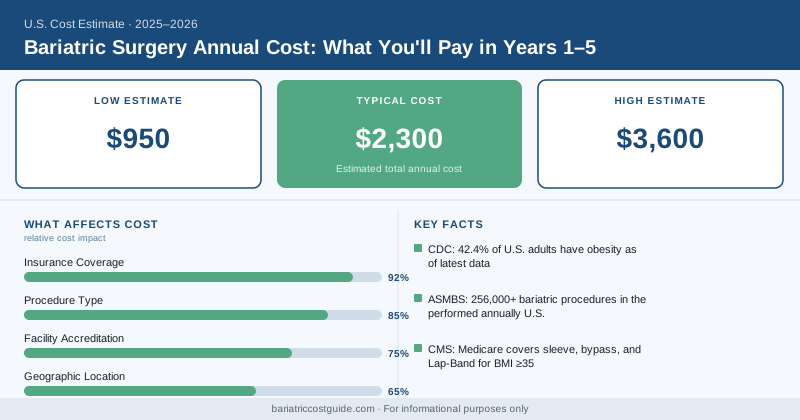
| Estimated total annual cost | $1,150 – $3,600 | $1,100 – $2,600 | $950 – $2,300 |
Year 1 is the most expensive because follow-up visit frequency is highest — most programs require 5–6 appointments in the first year. By years 4–5, you’re typically down to an annual check-in with labs.
Vitamins: The Biggest Recurring Line Item
Bariatric vitamin costs depend heavily on the quality and form of supplements you choose. Bypass patients need more supplementation than sleeve patients, particularly for B12 and iron.
A basic bariatric supplement stack typically includes:
- Bariatric multivitamin with iron (chewable or capsule): $25–$60/month
- Calcium citrate (NOT carbonate — carbonate doesn’t absorb well after bypass): $15–$30/month
- Vitamin D3 (often paired with calcium): $5–$15/month
- B12 (sublingual or injection if severely deficient): $5–$20/month
- Iron (additional, if labs show deficiency): $10–$25/month
Total supplement cost per month: $50–$150, or $600–$1,800/year. Buying in bulk from reputable bariatric-specific brands (Bariatric Advantage, Celebrate Vitamins, ProCare Health) tends to cost less than purchasing individual supplements from the pharmacy.
Don't Substitute Gummy Vitamins for Bariatric Supplements
Lab Tests: What You Need and What It Costs
Your bariatric program will typically require a comprehensive nutritional labs panel drawn at regular intervals. A complete post-bariatric lab panel includes a complete metabolic panel (CMP), CBC, iron/ferritin, B12, folate, vitamin D (25-OH), zinc, copper, and parathyroid hormone.
If your insurance covers labs as part of preventive or chronic disease management, your cost is often a flat copay of $20–$50 per draw. If you’re paying out of pocket, the same panel can run $200–$600 per draw at a hospital lab — or $80–$180 at a direct-pay service like Labcorp or Quest Diagnostics without a referral.
| Lab Draw Scenario | Cost Per Draw | Annual Cost (3 draws/yr) |
|---|---|---|
| With insurance (specialist referral) | $20 – $75 copay | $60 – $225 |
| Direct-pay (Quest, Labcorp without referral) | $80 – $180 | $240 – $540 |
| Hospital lab, uninsured | $200 – $600 | $600 – $1,800 |
Follow-Up Visits by Year
Year 1 is the most visit-intensive. After that, the schedule lightens considerably.
- Year 1: 2-week, 6-week, 3-month, 6-month, 12-month appointments (5 visits minimum)
- Year 2: 6-month and 12-month visits (2 visits)
- Years 3–5: Annual visit plus labs
- Year 5+: Annual visit; some programs move to every-other-year for stable patients
Specialist follow-up copays typically run $30–$80/visit with insurance. Self-pay rates at bariatric centers of excellence vary widely — $100–$400 per visit is typical.
What Changes Over Time
The reassuring news: costs do decrease after year 1. The biggest driver is the drop in follow-up visit frequency. By year 3, most patients have stabilized and their labs are predictable enough to require less monitoring.
The one cost that doesn’t go away is vitamins. That’s a permanent line item — the $600–$1,200/year reality of a lifetime commitment. Budget for it the same way you’d budget for a monthly prescription.
The Insurance Reality
Labs and follow-up visits are usually covered under standard medical benefits once you’re past the surgery itself. Some plans have specific bariatric follow-up coverage; others treat it as routine outpatient specialist care.
Check whether your insurance covers:
- Nutritional lab panels (often coded as monitoring for a chronic metabolic condition)
- Dietitian visits (some plans cover 3–6/year; others cover none)
- DEXA bone density scanning (often covered every 2 years after age 50, or with documented osteopenia)
- Mental health follow-up (relevant for patients managing the psychological aspects of major weight change)
For long-term cost management, pairing your ongoing annual costs with awareness of what your insurance covers can meaningfully reduce what comes out of your pocket year over year.
{ if eq .Lang "zh" }Disclaimer: BariatricCostGuide provides cost data for educational purposes only. We are not a medical provider, insurance company, or financial advisor. All costs are estimates based on published data and vary by location, facility, surgeon, insurance plan, and individual health factors. Consult a board-certified bariatric surgeon and your insurance carrier for personalized medical and cost advice.