Bariatric Surgeon Fee Breakdown: What You're Paying and Why
{ if eq .Lang "zh" }{ else }{ end }When most people think about the cost of bariatric surgery, they think about paying the surgeon. What surprises nearly everyone: the surgeon’s fee is typically the smallest of the three major bills.
Here’s exactly how bariatric surgery costs split between surgeon, facility, and anesthesia — and where the real negotiation leverage is.
The Three-Way Cost Split
| Cost Component | Typical Range | Share of Total Cost |
|---|---|---|
| Surgeon fee | $2,500 – $5,500 | 15–25% |
| Hospital/facility fee | $6,000 – $16,000 | 50–65% |
| Anesthesia fee | $1,000 – $2,500 | 8–15% |
| Pre-op evaluation (labs, psych, nutrition) | $800 – $2,500 | 5–10% |
| Total (gastric sleeve example) | $10,000 – $26,500 | 100% |
The facility fee — what the hospital or ambulatory surgery center charges for the operating room, nursing care, equipment, and recovery room — is typically 2–3 times the surgeon’s fee. If you’re shopping for bariatric surgery based on a quoted surgeon fee, you’re looking at the wrong number.
The Surgeon Fee: What Drives It
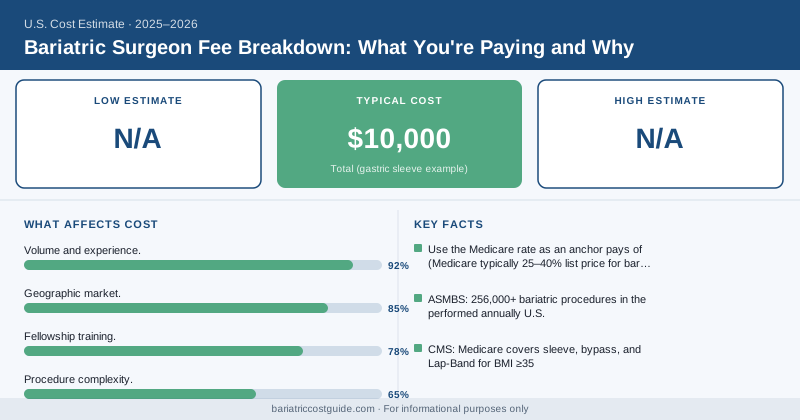
Volume and experience. Surgeons who perform 150+ bariatric cases per year typically charge more than lower-volume surgeons — and the data supports the premium. Higher surgical volume is consistently associated with lower complication rates in bariatric surgery. The ASMBS considers 50+ annual cases the threshold for maintaining proficiency.
Geographic market. A bariatric surgeon in Manhattan earns more than one in Memphis, and their fees reflect regional physician compensation benchmarks.
Fellowship training. Surgeons with formal minimally invasive surgery or bariatric surgery fellowship training after residency often charge more — and typically deliver better outcomes on complex cases.
Procedure complexity. Revision surgery, duodenal switch, and cases with unusual anatomy command higher surgeon fees than primary sleeve or bypass.
All-inclusive vs. unbundled billing. Some surgeons quote a global fee that includes pre-op consultation, the surgery, and post-operative care for 90 days. Others bill each component separately. The global fee looks higher but is often cheaper in total.
The Facility Fee: Where the Money Really Goes
This is the bill that shocks people. A $3,500 surgeon fee paired with a $14,000 hospital bill is not unusual. Here’s what drives facility costs up:
Operating room time. OR time is billed by the minute — typically $50–$150 per minute at hospital facilities. A 90-minute gastric sleeve generates $4,500–$13,500 in OR charges before a single supply is opened.
Supplies and implants. Laparoscopic staplers, trocars, and disposable instruments for bariatric surgery cost $1,500–$4,000 wholesale. At hospital markup rates, they can appear on your bill at significantly higher prices.
Nursing and staffing. A typical bariatric OR team — circulating nurse, scrub tech, first assist — costs the hospital $300–$600 per hour in labor. For a 2-hour procedure plus setup and breakdown, that’s $1,000–$2,000 in direct labor before overhead.
Post-surgical room and care. The 1–2 night stay at $2,000–$5,000 per night.
Where Self-Pay Patients Can Negotiate
The leverage is different for each component:
Surgeon fee: Modest negotiating room. Some surgeons offer 10–20% discounts for cash-pay patients, especially if you’re paying upfront before surgery. Ask for the “cash pay” or “self-pay” rate. Asking nicely works more often than you’d expect.
Facility fee: Most negotiation leverage. Self-pay discounts of 40–60% are common at hospitals. Use the Medicare rate as an anchor (Medicare typically pays 25–40% of list price for bariatric cases). Many hospitals have dedicated financial counselors — ask for one by name.
Anesthesia fee: Moderate leverage. Anesthesia groups often offer 25–40% cash discounts. Alternatively, look for bundled ASC packages that include anesthesia, which removes anesthesia as a separate negotiation.
The Self-Pay Negotiation Script
When calling the hospital financial counselor:
“I’m a self-pay patient interested in scheduling bariatric surgery at your facility. I’d like to understand what your self-pay discount rate is and whether you have an all-inclusive bundled package for this procedure. I’m also hoping to pay within 30 days of surgery if we can agree on a price. Can you connect me with your financial assistance department to discuss options?”
Key points in that script:
- Identifies you as self-pay (unlocks the discount discussion)
- Mentions bundled pricing (eliminates surprise add-ons)
- Offers prompt payment (gives them incentive to negotiate)
- Asks for financial assistance (hospitals must offer it for nonprofit status)
The All-Inclusive Package: Is It a Good Deal?
Many bariatric surgery centers — particularly ambulatory surgery centers and medical tourism programs — offer all-inclusive packages that bundle surgeon, facility, anesthesia, and sometimes pre-op and post-op care into a single price.
Typical all-inclusive sleeve package ranges:
- Ambulatory surgery center (U.S.): $9,000–$14,000
- Hospital-based program (self-pay discount): $12,000–$20,000
- International program (Turkey/Mexico): $4,500–$9,000
All-inclusive pricing has advantages: price certainty, no surprise anesthesia bill, no separate surgeon invoice. The risk: some packages are assembled to look comprehensive but exclude things that matter — like pre-op labs, post-op follow-up, or complication treatment. Read every line of what’s included before signing.
Understanding the Explanation of Benefits (EOB)
If you have insurance, the EOB you receive after surgery will show:
- Billed amount: The hospital’s list price (usually very high)
- Allowed amount: What your insurance negotiated with the provider
- Plan paid: What the insurer actually paid
- Your responsibility: Deductible + coinsurance = what you owe
The surgeon, hospital, and anesthesiologist each file separate claims and generate separate EOBs. You’ll receive three to four different statements. Keep them organized — billing errors are common on complex surgical claims.
The Bottom Line
The surgeon’s fee is 15–25% of total bariatric surgery cost. The facility fee drives 50–65% of your total bill and is where the most significant negotiation leverage exists. Understanding the three-way cost split — surgeon, facility, anesthesia — lets you focus your price research and negotiation where it actually matters. For self-pay patients, the facility fee discount conversation is the single highest-value financial conversation you can have.
{ if eq .Lang "zh" }Disclaimer: BariatricCostGuide provides cost data for educational purposes only. We are not a medical provider, insurance company, or financial advisor. All costs are estimates based on published data and vary by location, facility, surgeon, insurance plan, and individual health factors. Consult a board-certified bariatric surgeon and your insurance carrier for personalized medical and cost advice.