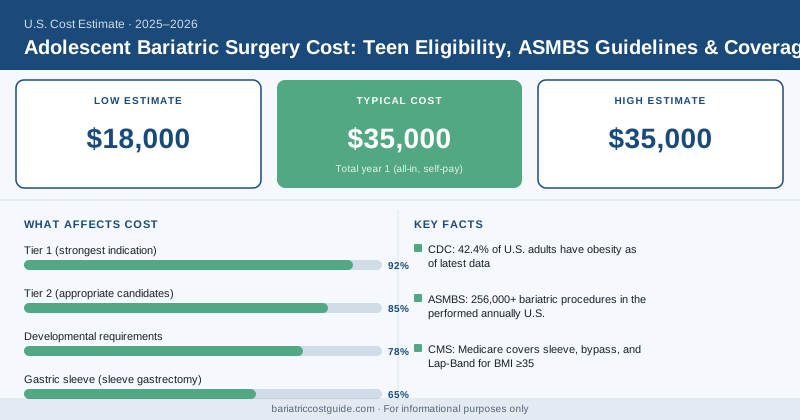
Adolescent Bariatric Surgery Cost: Teen Eligibility, ASMBS Guidelines & Coverage
{ if eq .Lang "zh" }{ else }{ end }The data changed the conversation. When the American Academy of Pediatrics released its landmark 2023 Clinical Practice Guidelines — recommending intensive interventions including surgery for adolescents with severe obesity — it explicitly pushed back against decades of “watch and wait” thinking. The AAP found that early intervention, including metabolic surgery for appropriate candidates, produces better long-term outcomes than delayed treatment.
That shift matters for families trying to understand whether surgery is appropriate for their teenager — and what it’s going to cost.
Who Qualifies: ASMBS Pediatric Guidelines
The ASMBS pediatric committee and AAP use the following eligibility framework:
Tier 1 (strongest indication):
- BMI ≥ 35 AND a serious comorbidity:
- Type 2 diabetes
- Moderate-to-severe obstructive sleep apnea (AHI ≥ 15)
- Non-alcoholic steatohepatitis (NASH)
- Idiopathic intracranial hypertension (pseudotumor cerebri)
Tier 2 (appropriate candidates):
- BMI ≥ 40 AND any comorbidity
- BMI ≥ 35 AND less severe comorbidities (hypertension, dyslipidemia, significantly impaired quality of life)
Developmental requirements:
- Most programs require Tanner stage IV-V maturation (biological puberty largely complete)
- Typically corresponds to age 13–14+ for girls, 14–15+ for boys
- No specific minimum age in ASMBS guidelines — maturity is assessed individually
What the 2023 AAP Guidelines Changed
Before 2023, AAP guidelines for childhood obesity recommended only behavioral intervention for most children, with surgery reserved for exceptional cases. The 2023 update fundamentally shifted this:
- Recommended early, intensive intervention rather than “watchful waiting”
- Explicitly endorsed metabolic/bariatric surgery as appropriate for adolescents meeting criteria
- Emphasized that delaying treatment allows obesity-related comorbidities to cause ongoing harm
This has driven more pediatric programs to develop bariatric capabilities and more insurers to cover adolescent cases.
What Adolescent Bariatric Surgery Costs
| Cost Component | Range |
|---|---|
| Pre-surgical evaluation (multidisciplinary) | $2,000 – $6,000 |
| Surgical procedure (facility + surgeon + anesthesia) | $15,000 – $28,000 |
| Post-op monitoring (year 1, 4–6 visits) | $800 – $2,500 |
| Annual supplements (lifetime requirement) | $1,000 – $2,500/year |
| Total year 1 (all-in, self-pay) | $18,000 – $35,000 |
The cost premium versus adult surgery ($12,000–$25,000) reflects:
- Pediatric-specialized center requirements (MBSAQIP pediatric designation)
- Mandatory multidisciplinary team (pediatric bariatric surgeon, pediatric psychologist, pediatric dietitian, pediatric endocrinologist)
- Longer pre-surgical evaluation period (typically 3–6 months of structured behavioral program before approval)
Which Procedures Are Performed in Teens?
Not all bariatric procedures are equally performed in adolescents. Current evidence and practice:
Gastric sleeve (sleeve gastrectomy): Most common procedure in teens. Well-studied in adolescent populations. The Teen-LABS study (JAMA Pediatrics, 2017) showed significant weight loss and comorbidity improvement at 3 years.
Gastric bypass (RYGB): Performed at experienced centers. More effective for type 2 diabetes remission than sleeve. Higher nutritional monitoring requirements — important consideration for growing adolescents.
Gastric band: No longer recommended for adolescents due to high complication and removal rates in this age group.
Duodenal switch: Rarely performed in teens given the intensive nutritional management requirements.
Insurance Coverage for Teen Bariatric Surgery
Coverage is available — but requires more work than adult cases:
Commercial insurance: Most major plans cover adolescent bariatric surgery when ASMBS criteria are met. However, the prior authorization process is longer and denial rates on first submission are higher.
Medicaid: Variable by state. Some states (California, New York) have relatively accessible adolescent bariatric coverage. Others have explicit age restrictions that must be appealed. The Children’s Health Insurance Program (CHIP) follows similar state-level variation.
Required documentation typically includes:
- Minimum 3–6 months participation in a medically supervised weight management program
- Pediatric psychological evaluation
- Family engagement documentation (parents/guardians must be involved in the process)
- School records or ADL documentation if applicable
- Multidisciplinary team letter of medical necessity
Top Pediatric Bariatric Programs in the U.S.
MBSAQIP-designated pediatric centers include programs at:
- Cincinnati Children’s Hospital Medical Center
- Children’s Hospital of Philadelphia (CHOP)
- Texas Children’s Hospital (Houston)
- Seattle Children’s Hospital
- Stanford Children’s Health
- Children’s National (Washington DC)
- Ann and Robert H. Lurie Children’s Hospital (Chicago)
These programs typically have 3–6 month waitlists. Starting the referral process early — while your teen is still in the evaluation phase — is important.
Long-Term Costs After Surgery
Adolescent patients face the same lifetime supplement and monitoring requirements as adults — potentially for 50–60+ more years. The cumulative lifetime cost of supplements alone is $50,000–$125,000 (at $1,000–$2,500/year over 50 years). This isn’t a reason to avoid necessary surgery — it’s a planning reality that families should understand before committing.
The Teen-LABS study found that 5-year outcomes for adolescent bariatric surgery were comparable to adult outcomes for weight loss — and some metrics (diabetes remission, quality of life) actually showed better results in teens versus adults having surgery at the same BMI.
{ if eq .Lang "zh" }Disclaimer: BariatricCostGuide provides cost data for educational purposes only. We are not a medical provider, insurance company, or financial advisor. All costs are estimates based on published data and vary by location, facility, surgeon, insurance plan, and individual health factors. Consult a board-certified bariatric surgeon and your insurance carrier for personalized medical and cost advice.